
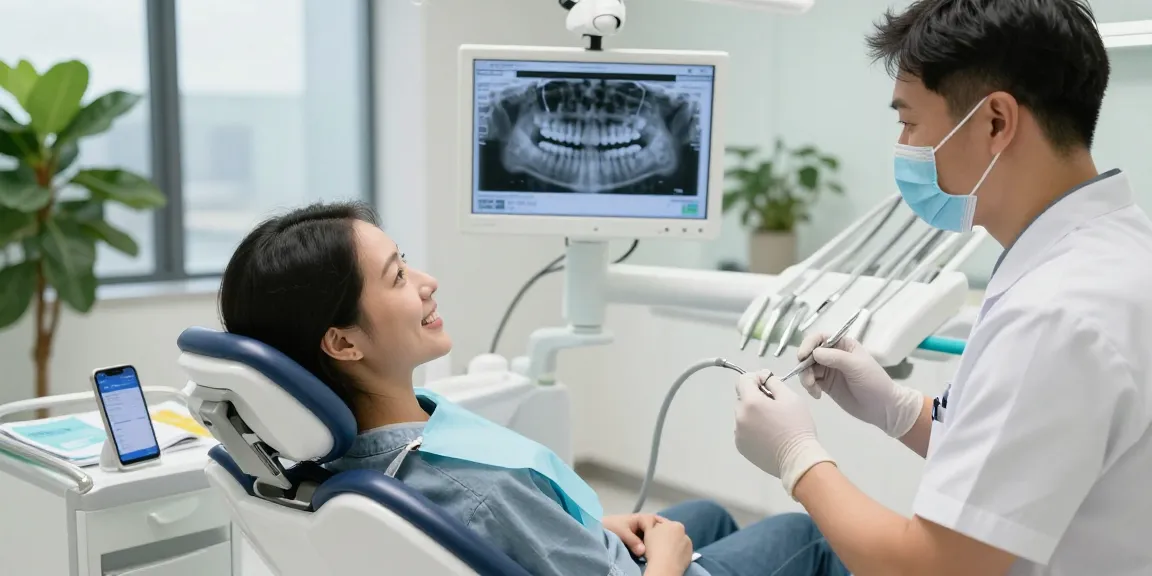
Understanding the Importance of Regular Dental Visits
Regular dental visits are essential for maintaining optimal oral health, yet many individuals neglect this crucial aspect of their healthcare routine. The American Dental Association recommends visiting the dentist at least twice a year for check-ups and cleanings. However, understanding the true significance of these visits goes beyond just compliance with recommendations; it encompasses a proactive approach to preventing dental issues and ensuring a beautiful smile. For those interested in scheduling an appointment, visit Dentee to find a trustworthy dentist in your area.
Why Regular Check-Ups Matter?
Regular check-ups allow dentists to monitor oral health, identify potential problems early, and assess any changes in the patient’s dental condition. Most dental problems can be treated effectively when caught early, but ignoring them can lead to severe complications.
Common Dental Issues Prevented by Routine Visits
- Cavities: Regular check-ups help detect early signs of decay.
- Gum Disease: Professional cleanings remove plaque and tartar buildup, reducing the risk of gum issues.
- Oral Cancer: Dentists can perform screenings during visits, identifying potential signs that require further investigation.
- Tooth Loss: By managing dental health comprehensively, routine care can prevent severe damage that leads to tooth loss.
How Often Should You Visit Your Dentist?
The frequency of dental visits can depend on various factors, including age, overall health, and risk of dental issues. Most adults should aim for two visits a year, while those with specific health concerns may need to visit more frequently. Consulting with your dentist can help establish a personal schedule that meets your needs.
Choosing the Right Dentist for Your Needs
Selecting a dentist is an important decision that can significantly impact your dental health experience. It’s essential to choose someone who not only has the right qualifications but also aligns with your preferences and needs. Various factors can guide your selection process.
Factors to Consider When Selecting a Dentist
- Qualifications and Experience: Ensure the dentist has the necessary education and training.
- Services Offered: Consider whether the dentist provides the specific treatments or specialties you may require.
- Office Location: Proximity can impact how accessible the dentist is for routine visits.
- Patient Reviews: Online reviews and testimonials can provide insight into the dentist’s reputation and patient care.
How to Research Dental Practices in Your Area
Researching dental practices can take various forms. Start by searching online directories or dental association websites to compile a list of local dentists. Review their websites, which often include biographical information, services provided, and office policies. Social media platforms and local review sites can also provide valuable insights from current and former patients.
Getting Recommendations from Friends and Family
Word-of-mouth referrals from friends, family, or coworkers can be one of the most reliable ways to find a good dentist. Personal experiences often carry more weight than online reviews and can offer insights that help you make an informed decision.
Preparing for Your Dental Visit
Preparation is key to ensuring a productive dental visit. Being organized and proactive can facilitate communication and lead to better outcomes, which is crucial for optimizing your dental health experience.
What Information to Provide Before the Appointment
Prior to your appointment, gather information about your dental history, including previous treatments, medications, allergies, and any ongoing conditions. This information will aid the dentist in understanding your oral health needs and personalizing your care.
Questions to Ask Your Dentist During the Visit
Don’t hesitate to ask questions during your appointment. Consider inquiring about:
- The cause of any discomfort you might be experiencing
- The recommended treatment options and their benefits
- Preventative measures you can take at home
- The dentist’s approach to patient care and follow-up
How to Follow Up After Your Appointment
Following up post-appointment can include setting up your next visit, discussing any further treatments, or receiving referrals to specialists. It’s important to keep an open line of communication with your dentist regarding your ongoing dental health.
Maximizing Your Dental Experience
Being active and engaged during your dental visits can enhance the quality of care you receive. Patients who communicate effectively with their dentists often find their experiences to be more rewarding and tailored to their needs.
How to Communicate Your Concerns Effectively
Express your dental concerns clearly and concisely. If you’re experiencing pain or have specific issues, describing these in detail will assist the dentist in providing the most effective care. Using precise language about your symptoms can help eliminate guesswork.
Understanding Dental Treatments and Procedures
Gaining knowledge about proposed treatments can empower you as a patient. Don’t hesitate to ask your dentist to explain their recommendations, including the expected outcomes and any potential side effects.
Follow-Up Care: Ensuring Continued Oral Health
Success in dental health hinges on follow-up care and commitment to oral hygiene practices at home. After treatments, adhering to your dentist’s advice can help preserve the effectiveness of those procedures and facilitate long-term health.
Future Trends in Dentistry for 2026 and Beyond
The field of dentistry is rapidly evolving, with emerging technologies and practices that will shape patient experiences in the coming years. Staying informed about these trends can help patients maximize their dental care.
Emerging Technologies in Dental Care
Advancements in technology, such as 3D printing, tele-dentistry, and AI diagnostics, are transforming how dentists provide care. These innovations can lead to more precise treatments, reduced appointment times, and improved patient outcomes.
How Dental Practices Are Adopting Telehealth
Telehealth services are becoming increasingly popular in dentistry, allowing patients to consult with their dentists remotely. This model facilitates convenience and access, particularly for those with mobility issues or those living in remote areas.
What Patients Can Expect from Future Visits
Patients can anticipate a more personalized approach to dental care, with increased use of technology for diagnostics and treatment planning. Enhanced patient education tools, including apps and online resources, will facilitate better at-home care and ongoing communication with dental professionals.
What Are Standard Procedures for New Patients?
New patients can expect initial consultations to include a comprehensive examination of their dental and medical history, X-rays, and discussions around treatment options. This baseline evaluation is crucial for developing effective and personalized care plans.
How Can I Prepare for My First Dentist Appointment?
Preparing for your first appointment involves gathering important health information, arriving early to complete any necessary paperwork, and bringing along your insurance details. This proactive approach can streamline your visit and reduce anxiety.
What Are Some Common Myths About Visiting the Dentist?
There are several misconceptions about dental visits, such as the notion that they are always painful or unnecessary for those without visible issues. Understanding the truth behind these myths can help reduce anxiety and encourage regular attendance.
Is It Normal to Feel Anxious About Dental Visits?
Dental anxiety is a common experience for many individuals. Recognizing and discussing these feelings with your dentist can lead to tailored strategies to make your visits less stressful.
How to Align Your Dental Visits with Your Health Goals?
To align your dental care with your overall health goals, communicate your health objectives with your dentist. This collaborative approach can help in developing a comprehensive plan that addresses both dental health and overall wellness.

